Full Wrap vs. Partial Wrap vs. Vinyl Lettering: Choosing the Right Fit
Quick answer A full wrap covers nearly the whole vehicle in printed graphics for maximum impact. A partial wrap prints part of the vehicle and uses the paint as part of the design, at a lower cost. Vinyl lettering puts your logo, phone number and key details on the existing paint. The right choice depends on the vehicle, budget and goal.
Three Options, Three Different Jobs
Every project has different goals and budgets, which is why most wrap shops offer three main levels of coverage: full wraps, partial wraps and vinyl lettering. They’re not just bigger and smaller versions of the same thing. Each one looks different, works differently on the road and fits a different kind of vehicle and business.
The vehicle matters, too. A box truck, a cargo van, a sedan, an enclosed trailer and a boat can all be wrapped, but how it’s done and what looks best on each are very different. A full wrap that’s perfect on a box truck may be more than a pickup needs, and lettering that works well on a white trailer might get lost on a dark van.
So what does each option actually include?
Full Wraps: The Whole Vehicle as Your Canvas
A full wrap covers nearly the entire visible surface of a vehicle with printed graphics. It creates maximum visibility and the greatest advertising impact, because the design isn’t limited by the paint color. Photography, gradients, bold backgrounds and large headlines are all possible.
Full wraps are ideal for businesses that want a strong brand presence throughout the communities they serve. They work especially well on vehicles with big, flat sides, such as box trucks, step vans, buses and enclosed trailers. The Eagle Moving trucks in our portfolio are a good example: printed graphics fill the box sides, rear door and front of the box with a mascot, Florida graphic, phone number and tagline. Our bus wrap shows printed graphics at a much larger scale, with a purple background, candy imagery and a large “Sweet Just Got Serious” headline running along the side.
The tradeoff is cost and time. A full wrap uses the most material and takes the longest to install.
Partial Wraps: Using the Paint as Part of the Design
A partial wrap combines printed graphics with the vehicle’s existing finish. The design might cover the rear half of a van, the lower section of a truck or a sweep of color across the doors, with the paint filling in the rest. This approach reduces material costs while still creating a professional, designed appearance that attracts attention.
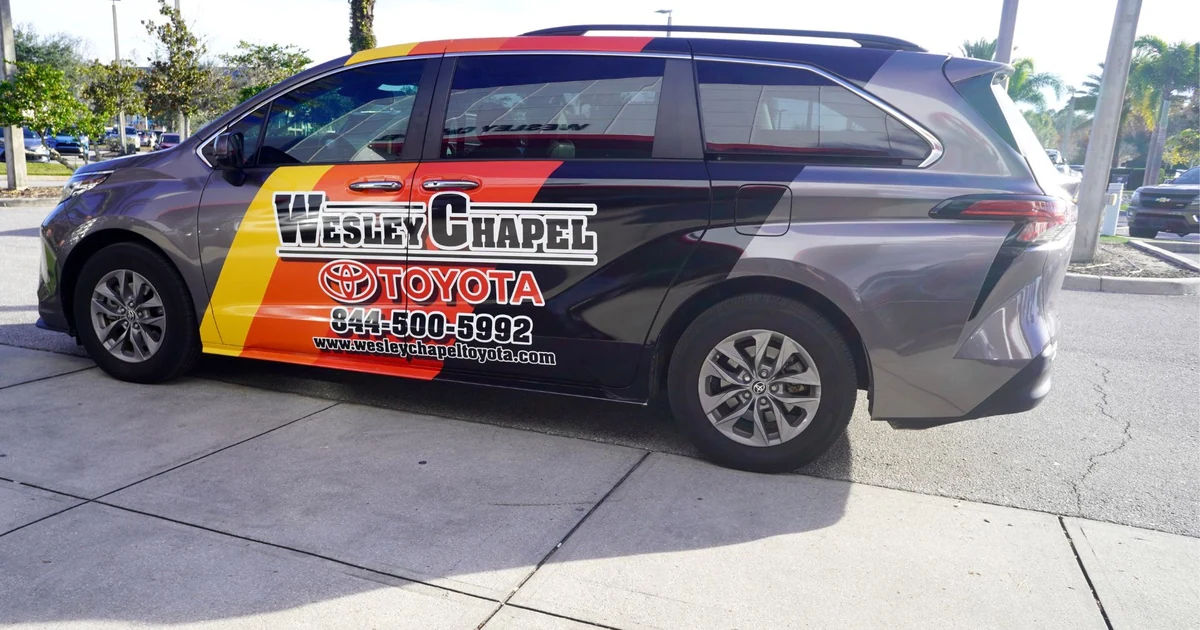
The key to a good partial wrap is treating the paint as part of the design rather than empty space. On the Wesley Chapel Toyota dealer van, black, orange and yellow bands sweep across the side doors with the dealer name, logo, phone number and website, while the van’s gray paint frames the graphics. The Water Filter Warehouse car uses a flowing water graphic with the logo and phone number across both doors of a white car, letting the white paint do the rest of the work.
Partial wraps work well on cars, vans, pickups and trailers, and they’re a smart choice when a fleet has mixed vehicle types that still need to look related.
Vinyl Lettering: Clean, Simple and Economical
Some businesses prefer a clean, straightforward design featuring their logo, contact information, DOT numbers if required, and branding. Vinyl lettering, sometimes called cut vinyl or spot graphics, places those elements directly on the existing paint. It provides an economical solution while maintaining a professional image.
Lettering is perfect for startups, for vehicles that just need clear identification and for businesses that want a clean, understated look. The Red Bag Solutions trailer shows how effective it can be: a large logo, a “Bio-Medical Waste Management” line and a big phone number in custom cut printed vinyl on a white trailer. The Bull Moving cargo van combines lettering with one bold graphic element, a black sweep over the rear, which shows how a little design can lift a simple layout.
Lettering also needs the most care in design, because there’s no background to help it stand out. Color contrast with the paint is everything.
How the Choice Changes by Vehicle
The same three options play out differently depending on what you’re wrapping:
| Vehicle | Full wrap | Partial wrap | Lettering |
|---|---|---|---|
| Box truck or step van | Often the best value for the large flat sides | Works well, often on the box only | Clean option for basic identification |
| Cargo or service van | Strong choice for high visibility | Popular balance of cost and impact | Common for startups and simple fleets |
| Pickup or car | Bold, but more than many businesses need | Very effective on doors and lower panels | Simple and economical |
| Enclosed trailer | Rolling billboard, especially on long trailers | Graphics plus factory color | Logo, phone, services and DOT numbers |
| Boat | Full color change or graphics on the hull | Accent graphics and stripes | Boat name and simple graphics |
A Special Note on Boats
Boats deserve a special note. Boat wraps are usually about personal style rather than advertising, and the hull’s shape, waterline and constant exposure to sun and water all affect the plan. Our airboat wrap project is an example of vinyl used to give a boat the owner’s own look on the water.
How to Choose the Right Fit
A few questions usually point to the right answer.
What Does the Vehicle Need to Do?
Advertise to new customers, identify your team, or simply look good?
Where Does It Spend Its Time?
Parked in front of customers, on the highway or at events?
What Color and Condition Is the Paint?
Partial wraps and lettering rely on the paint underneath.
What’s the Budget, and How Many Vehicles?
Coverage can vary across a fleet as long as the design rules stay the same.
Will Your Information Change Soon?
Lettering and partial wraps are easier to update in small sections.
There’s no wrong answer, only a better fit. Many businesses start with lettering or a partial wrap and move to full wraps as they grow. If you’re planning for several vehicles, our Commercial Fleet Wraps guide explains how to mix coverage levels while keeping the whole fleet consistent.
Frequently Asked Questions
Not Sure Which Option Fits?
Send us a few photos of your vehicle and tell us what you want it to do. We'll show you what a full wrap, partial wrap or lettering would look like for your budget.
The Vehicle Wrap Design Process: From Concept to Installation
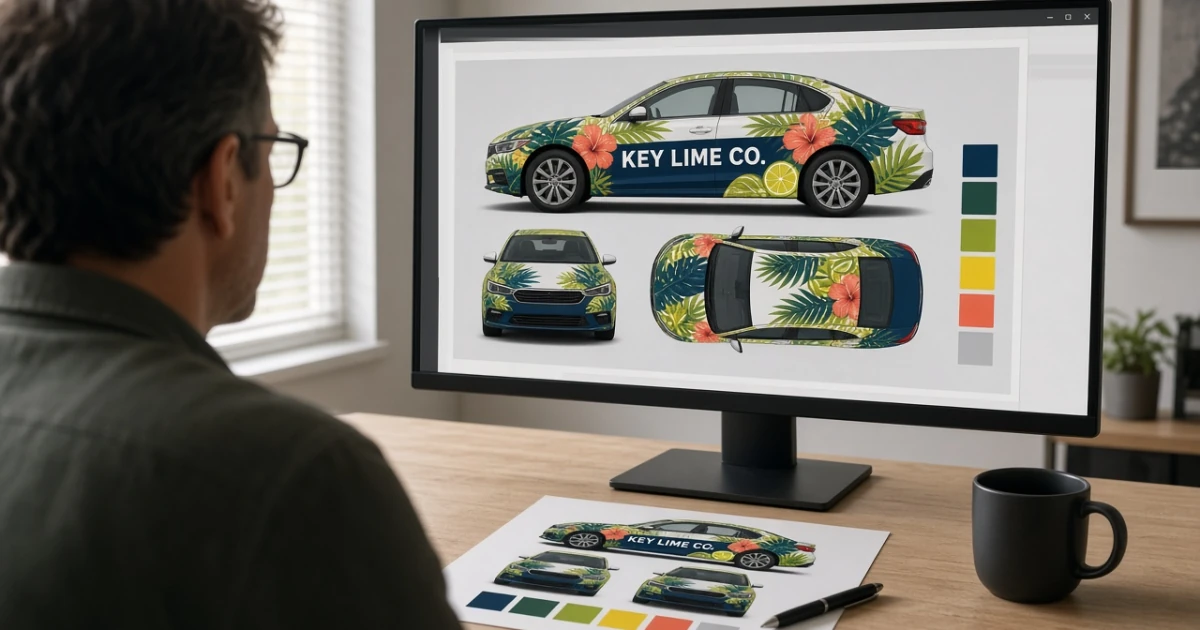
A wrap design starts with learning about your business, not with artwork. Our design team gathers your logo and ideas, builds a design around your actual vehicle, and sends a digital proof showing how it will look. You review it, we refine it until you're happy, and only then does it go to print and installation.
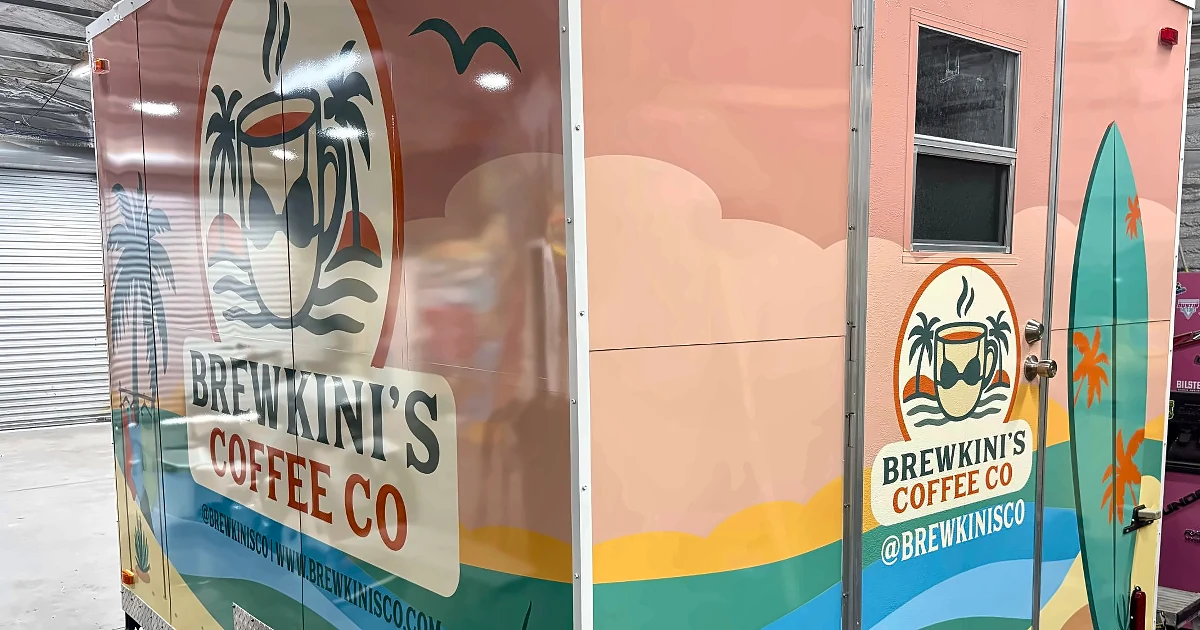
Trailer Wrap Sizes and Coverage: What Businesses Should Know
We regularly wrap enclosed trailers from 5x8 up to 8.5x24, plus custom sizes. Size sets how much surface there is to cover, but coverage decides how much of it gets printed: a full wrap, a partial wrap or vinyl lettering. Doors, nose shape, fenders and vents also change the plan. A few photos usually tell us everything.
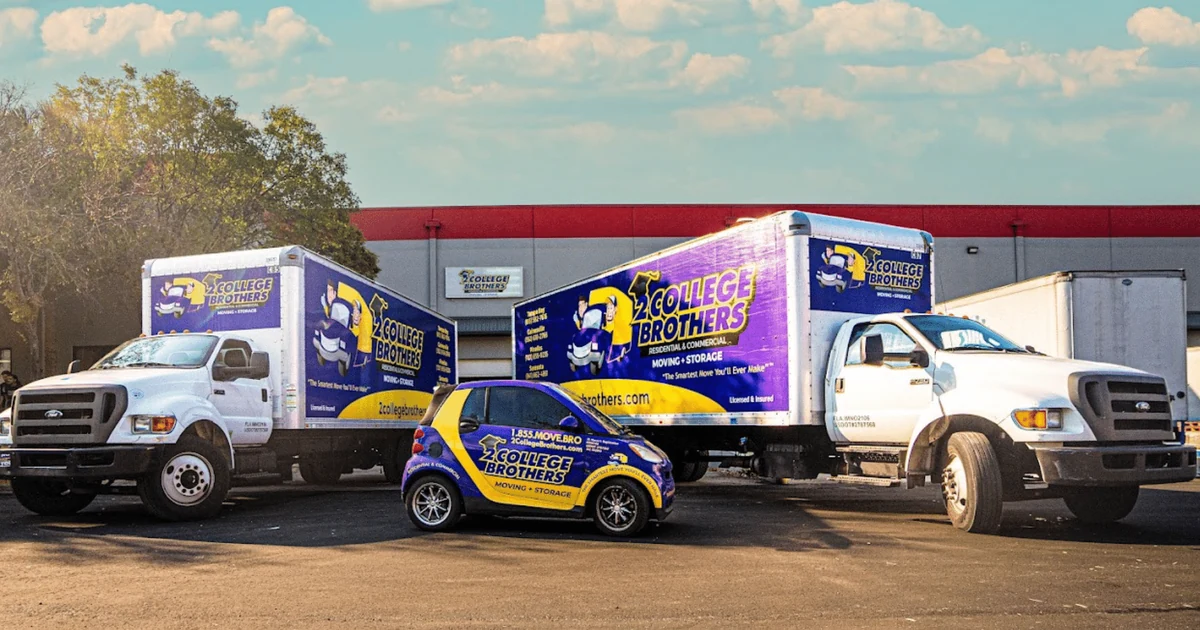
Commercial Fleet Wraps: What to Know Before Wrapping Multiple Vehicles
Yes, your trucks, vans and trailers can all look like one brand, even when they're different makes, sizes and colors. The key is planning: one set of brand rules, a design template for each vehicle type, consistent colors and coverage levels, and a rollout schedule that keeps your crews working. Good records make adding vehicles later simple.