What to Expect During Installation Day
Quick answer On installation day, your vehicle is thoroughly cleaned and prepped, any old graphics are removed, and the printed wrap is applied panel by panel, trimmed and inspected. At pickup, we walk you through the finished wrap and how to care for it. Timing depends on the vehicle and coverage, so we'll confirm it at your quote.
Most of the Work Happens Before You Arrive
By the time your vehicle or trailer comes in, a lot has already happened. The design has been approved, the graphics have been printed on commercial grade equipment and laminated, and the panels are ready to go. That’s why the day itself is focused on two things: getting the surface right and installing the wrap carefully.
Every vehicle is slightly different, but our process follows the same general steps. Here’s what installation day usually looks like, and what you can do to help it go smoothly.
What should you do before you drop it off?
Before You Drop Off Your Vehicle
A little preparation on your end saves time on ours.
Empty the Cargo Area and Cab
Empty the cargo area and cab of tools, loose items and anything you’ll need while the vehicle is with us.
Recent Paint or Body Work
Tell us about recent paint or body work. Fresh paint may need time to cure before it can be wrapped.
Point Out Damage, Rust or Loose Parts
Point out any damage, rust or loose parts you know about, especially on older trailers and work trucks.
Mention Coatings, Wax or Sealant
Mention any ceramic coating, wax or sealant. These products can affect how the film sticks, and we’ll plan the prep around them.
If you’re not sure about any of these, just ask when we schedule. It’s much easier to plan for a surprise before the vehicle arrives than after.
Cleaning and Surface Prep
Proper surface preparation is one of the most important steps in achieving a long lasting wrap. Every vehicle is thoroughly cleaned before installation, because road grime, waxes, grease, silicone and other contaminants can interfere with adhesion. Edges, seams, door jambs and the area around rivets get extra attention, since that’s where dirt hides.
Removing Old Graphics and Hardware
If there are old decals or graphics, they’re removed first. Old graphics can leave adhesive residue or a faded outline from years of sun, and those outlines may show through a new wrap. Removing them creates a cleaner surface and a better finished product. Depending on the vehicle, some hardware such as badges, emblems or small trim pieces may be removed so the film can wrap cleanly behind it, then reinstalled afterward.
Installing the Wrap, Panel by Panel
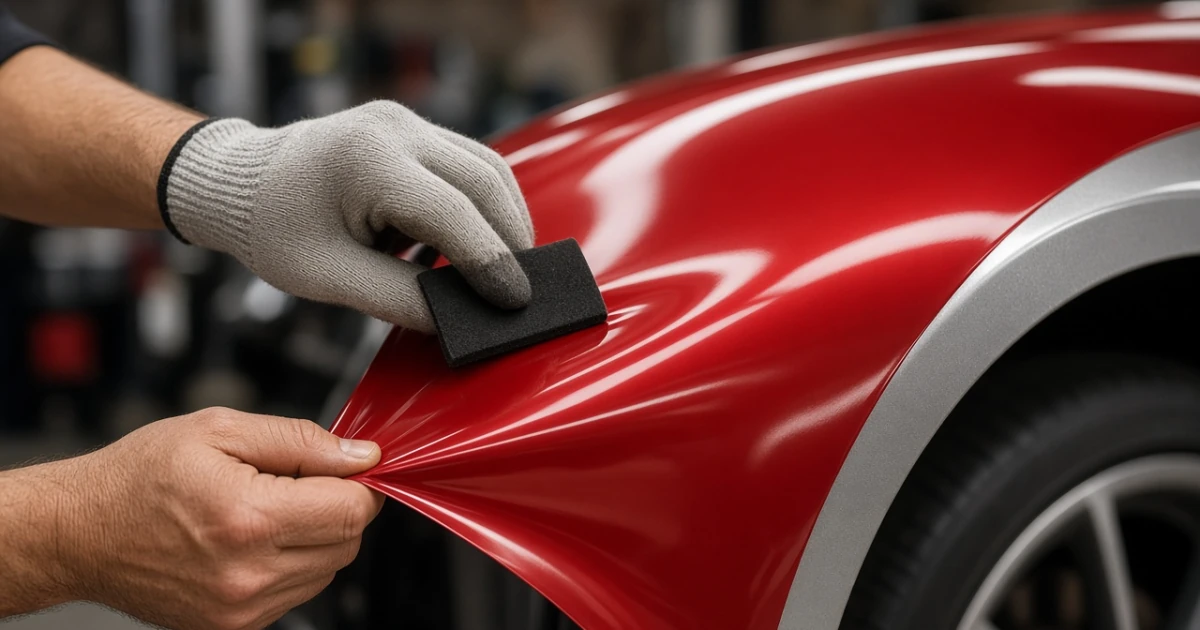
A wrap goes on in sections, not as one giant sheet. Each printed panel is positioned and lined up with the panels next to it so the design flows across door gaps and seams. The installer then works the film down from the center out, using heat where the film needs to stretch into recesses, around curves or over rivets.
Edges are wrapped around panel ends where possible and trimmed precisely along gaps and trim. This is slow, detailed work. A rushed edge is where lifting usually starts, so experienced installers take their time here. If you’re curious about riveted surfaces in particular, our article Can You Wrap Over Rivets? explains how that part is done.
Final Inspection and Walkthrough
Once the wrap is installed, the vehicle gets a full quality inspection. We look for lifted edges, bubbles, alignment issues and any area that needs a final touch. Then we review care and maintenance recommendations with you so you know how to keep the wrap looking its best.
When you pick up, take a slow walk around the vehicle with us. It’s the best time to ask questions about anything you see.
The First Few Days After Pickup
A new wrap needs a short time to fully settle onto the surface. We’ll tell you how long to wait before the first wash and what to avoid early on, such as high pressure washing aimed at edges. Small bubbles sometimes appear in the first days and often settle on their own. If anything lifts or doesn’t look right, call us so we can take a look.
After that, the long term care routine is simple. Our article How Long Does a Vehicle Wrap Last? Caring for Your Wrap covers it in detail.
How Long Will It Take?
That depends on the vehicle, the coverage and the condition of the surface. A small lettering job and a full wrap on a 24 foot trailer are very different days. Our goal is to complete your project efficiently while maintaining the quality our customers expect, and we’ll talk timing at your quote. If you’re wrapping several vehicles, we’ll plan the schedule around your operation so your fleet downtime stays as short as possible.
Frequently Asked Questions
Ready to Get on the Schedule?
Send us a few photos of your vehicle and tell us when you need it back on the road. We'll put together your quote and talk through timing.
The Vehicle Wrap Design Process: From Concept to Installation
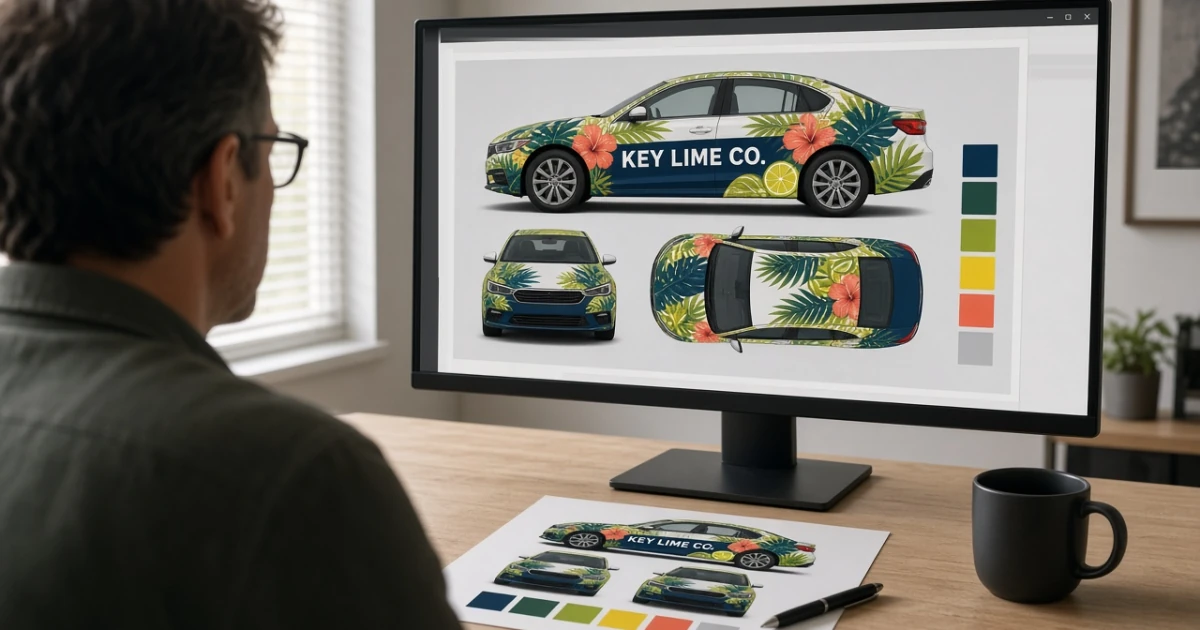
A wrap design starts with learning about your business, not with artwork. Our design team gathers your logo and ideas, builds a design around your actual vehicle, and sends a digital proof showing how it will look. You review it, we refine it until you're happy, and only then does it go to print and installation.
How Long Does a Vehicle Wrap Last? Caring for Your Wrap
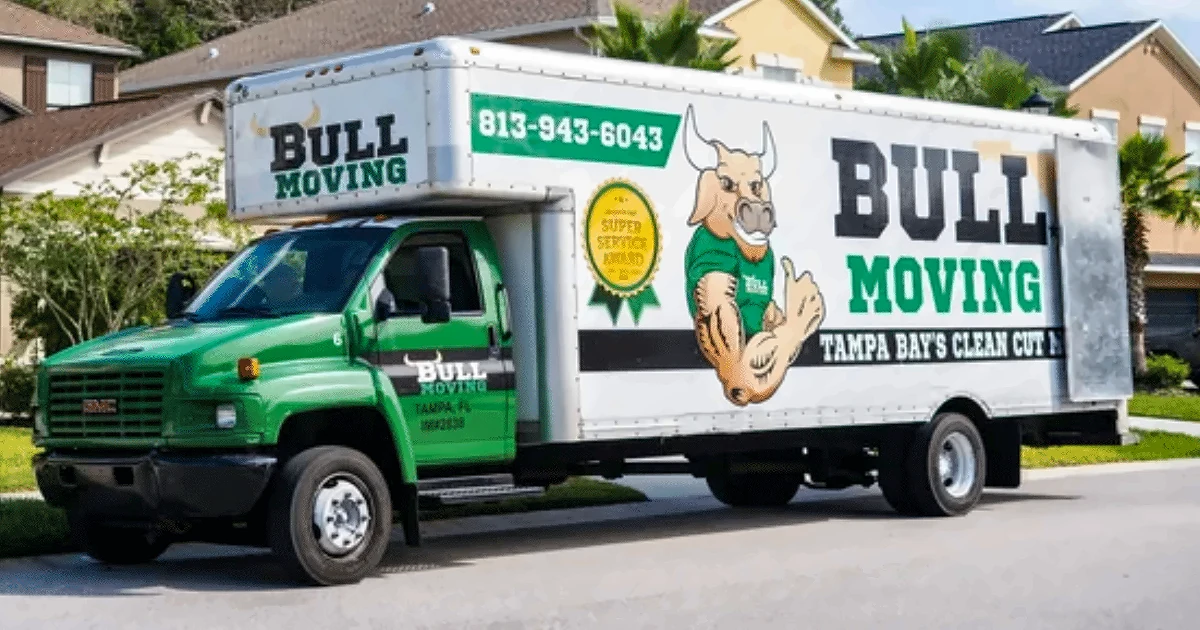
With proper care, a professionally installed wrap can last for many years, but there is no single number. Its life depends on the film and laminate, how much direct sun it gets, how it's washed, where it's stored and how hard the vehicle works. In Florida, shade and gentle washing make the biggest difference.
Can You Wrap a Used Enclosed Trailer?
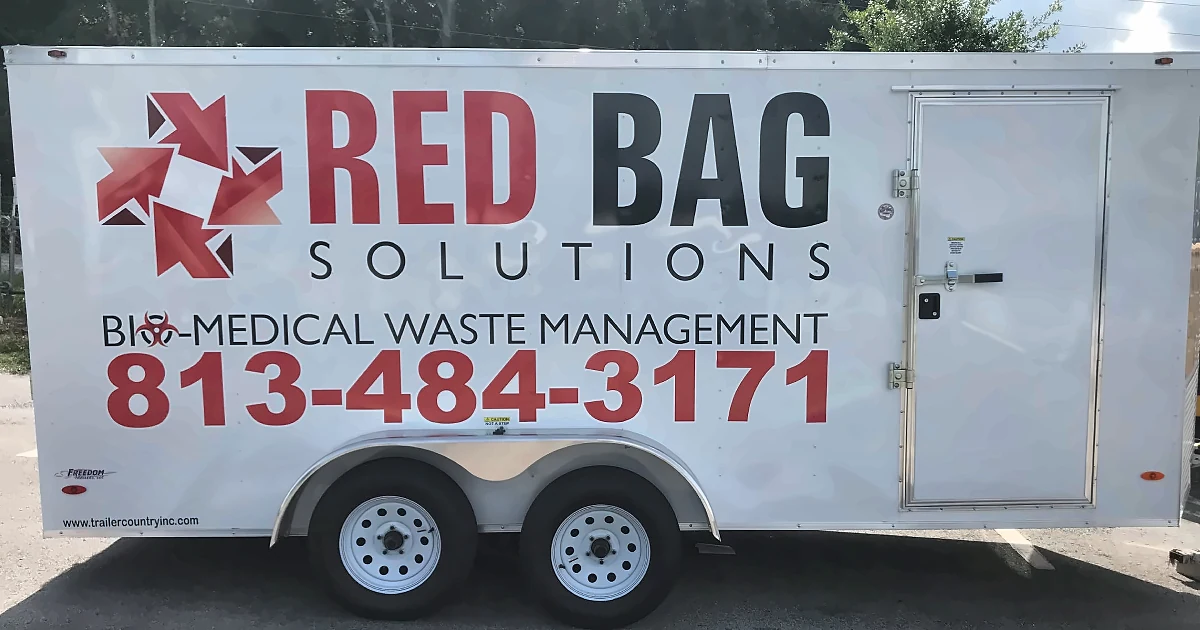
Yes, in most cases. The age of an enclosed trailer matters far less than the condition of its exterior. We inspect the paint, oxidation, old graphics, dents, rust, rivets and past repairs first. Most trailers only need thorough cleaning and prep, but peeling paint or real body damage should be repaired before the wrap goes on.