Cast Vinyl vs. Calendared Vinyl: Why Material Choice Matters in Florida’s Climate
Quick answer Cast vinyl is the right choice for most vehicle and trailer wraps in Florida. It is made without built-in stress, so it conforms to curves and rivets and holds its shape in heat. Calendared vinyl is thicker, stiffer and tends to shrink over time, which makes it better suited to flat, shorter term signage than full wraps.
Why the Film Matters More Than People Think
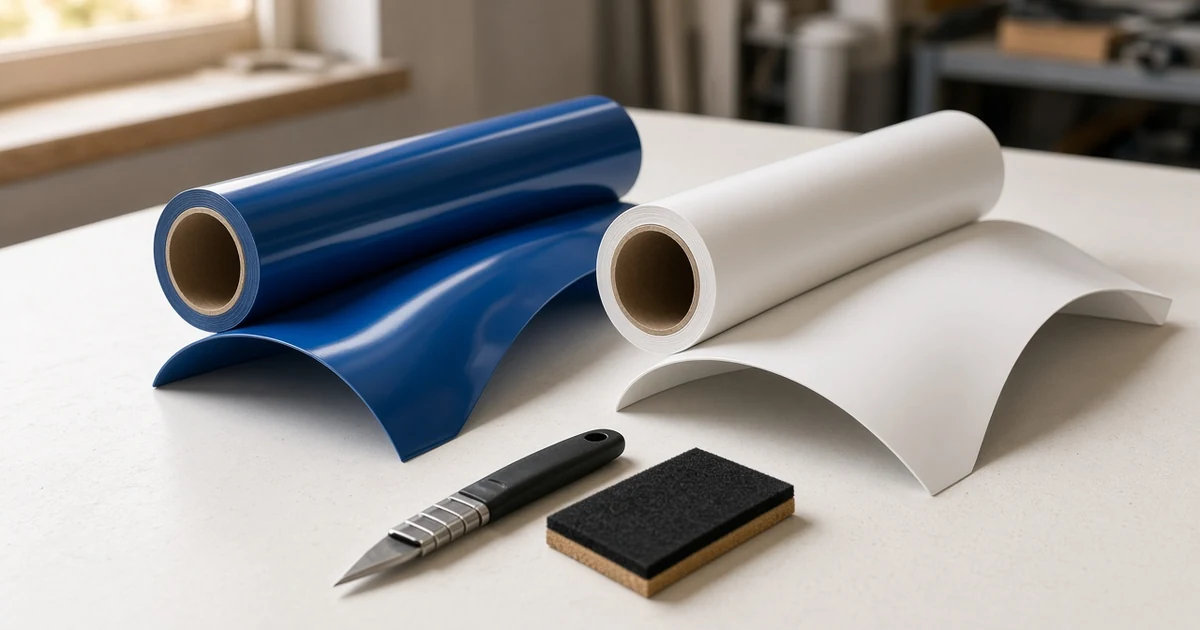
When two wrap quotes look very different, the material is often the reason. From the outside, all vinyl looks alike on the roll. On a vehicle, after a couple of Florida summers, the difference is easy to see. One wrap still hugs every curve. The other has started to shrink back from the edges, lift around rivets and crack in the recesses.
One of the biggest differences between an average wrap and a wrap that keeps looking great for years is the material used. The two main families of wrap film are cast and calendared vinyl. They are made in very different ways, and that difference decides how they behave on your vehicle.
So what actually separates the two?
How Cast and Calendared Vinyl Are Made
How Cast Vinyl Is Made
Cast vinyl starts as a liquid. It is poured in a very thin layer onto a smooth carrier sheet and then cured with heat. Because the film forms in a relaxed state, it has very little internal stress. It doesn’t “remember” being stretched, so it isn’t constantly trying to pull back to a different shape.
That relaxed structure is why cast film is thin, flexible and conformable. When an installer warms it and works it into a recess, around a mirror or over a rivet head, it stays there. That’s what makes cast vinyl the standard for full vehicle wraps, trailer sides with rivets and anything with compound curves. It’s also why we use premium cast vinyl for the printed wraps we recommend for commercial vehicles and trailers.
How Calendared Vinyl Is Made
Calendared vinyl starts as a thicker mass that is pressed and rolled through heated rollers until it reaches the right thickness, a bit like rolling out dough. That process stretches the material, and the film keeps some of that tension. Over time, especially in heat, calendared film tends to shrink slightly as it tries to return to its original shape.
On a flat, simple surface, that may never be a problem. On a curve, a recess or a riveted panel, shrinking pulls the film out of the low spots and away from edges. That is how you get lifting, tenting around rivets and gaps where the paint starts to show.
Florida Sun and Heat Change the Equation
Florida is one of the toughest environments in the country for vehicle graphics. Strong ultraviolet light fades inks and breaks down vinyl over time. Heat softens adhesives and speeds up shrinkage in films that have built-in stress. Humidity, afternoon rain and road grime all add to the wear.
Why Some Surfaces Fade First
Not every surface ages at the same rate, either. Hoods, roofs and the tops of trailers face the sun directly for hours, so they usually fade and weather faster than doors and vertical sides, even when the same film is used. That’s another reason material choice matters most on vehicles that live outdoors. Lower cost calendared vinyl has its place, but it is generally not the material we recommend for commercial wraps expected to perform for years in Florida’s climate.
The Laminate Is Half the System
A printed wrap has two layers: the printed film and a clear overlaminate on top. The laminate protects the print from ultraviolet light, scratches, fuel splashes and everyday wear. Without it, even good ink fades and scuffs quickly.
Just as important as the film is using a matched system. Printable cast films perform best when they’re paired with the cast laminate the manufacturer recommends, so both layers stretch, conform and age together. Pairing a cast film with a mismatched laminate can bring back the same lifting and shrinking problems you were trying to avoid.
Where Calendared Vinyl Still Makes Sense
Calendared vinyl isn’t bad material. It’s a different tool. It can be a sensible, budget friendly choice for:
- Flat signs, panels and boards
- Short term promotions and event graphics
- Simple cut lettering on flat surfaces
- Indoor graphics that never see direct sun
The key is matching the film to the surface and how long it needs to last. A retail kiosk indoors has a very different job than a box truck that sits in a Tampa parking lot all summer. For shop signs and indoor graphics, see our Signage page.
Questions to Ask About Any Wrap Quote
When you compare quotes, it’s fair to ask what you’re actually getting. Good questions include:
- Is the printed film cast or calendared?
- Is it laminated, and is the laminate matched to the film?
- How will the film handle the curves, recesses or rivets on my vehicle?
- What does the material warranty cover, and what does the workmanship coverage cover?
A trustworthy shop will answer those plainly. Material is one of the few parts of a wrap you can’t see on day one, and it decides how the wrap looks years from now. For more on wrapping riveted surfaces, read Can You Wrap Over Rivets?. For care and service life, see How Long Does a Vehicle Wrap Last?.
Frequently Asked Questions
Want to Know What Goes on Your Vehicle?
Tell us about your vehicle and how it's used, and we'll recommend the right film and laminate for the job, with a plain explanation of why.
What to Expect During Installation Day
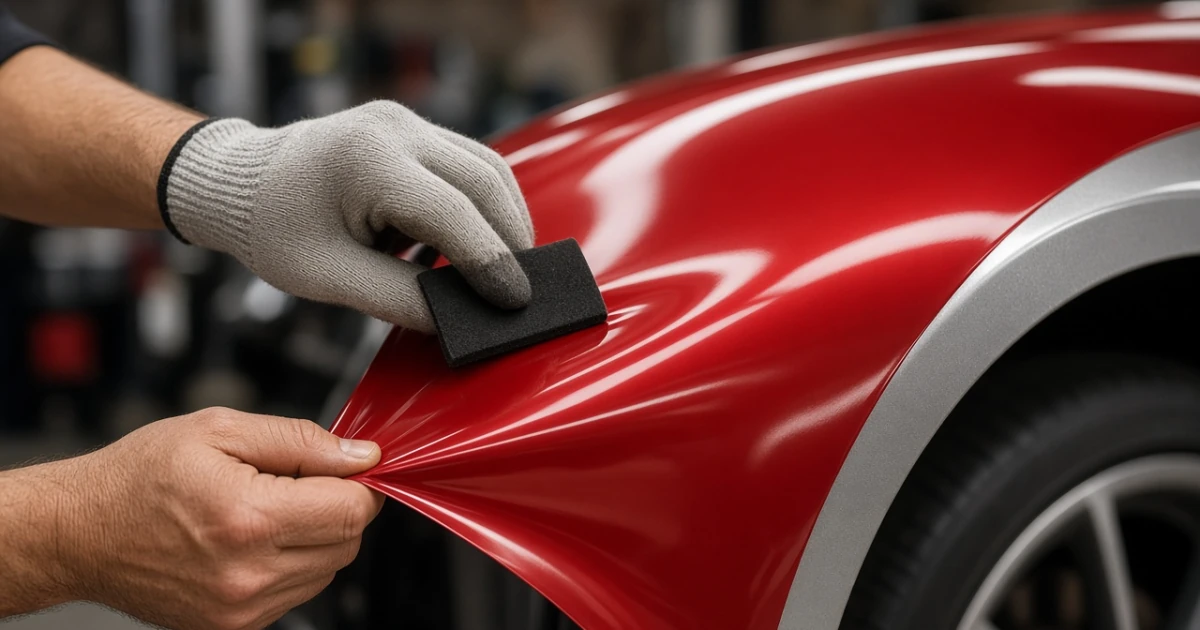
On installation day, your vehicle is thoroughly cleaned and prepped, any old graphics are removed, and the printed wrap is applied panel by panel, trimmed and inspected. At pickup, we walk you through the finished wrap and how to care for it. Timing depends on the vehicle and coverage, so we'll confirm it at your quote.
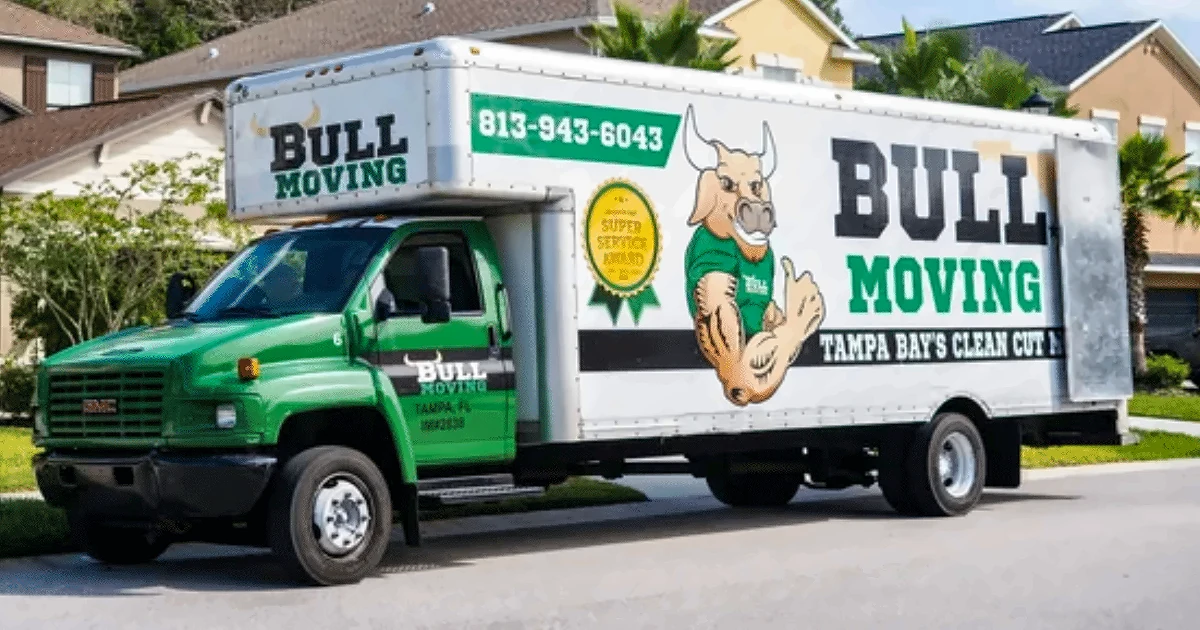
How Long Does a Vehicle Wrap Last? Caring for Your Wrap
With proper care, a professionally installed wrap can last for many years, but there is no single number. Its life depends on the film and laminate, how much direct sun it gets, how it's washed, where it's stored and how hard the vehicle works. In Florida, shade and gentle washing make the biggest difference.
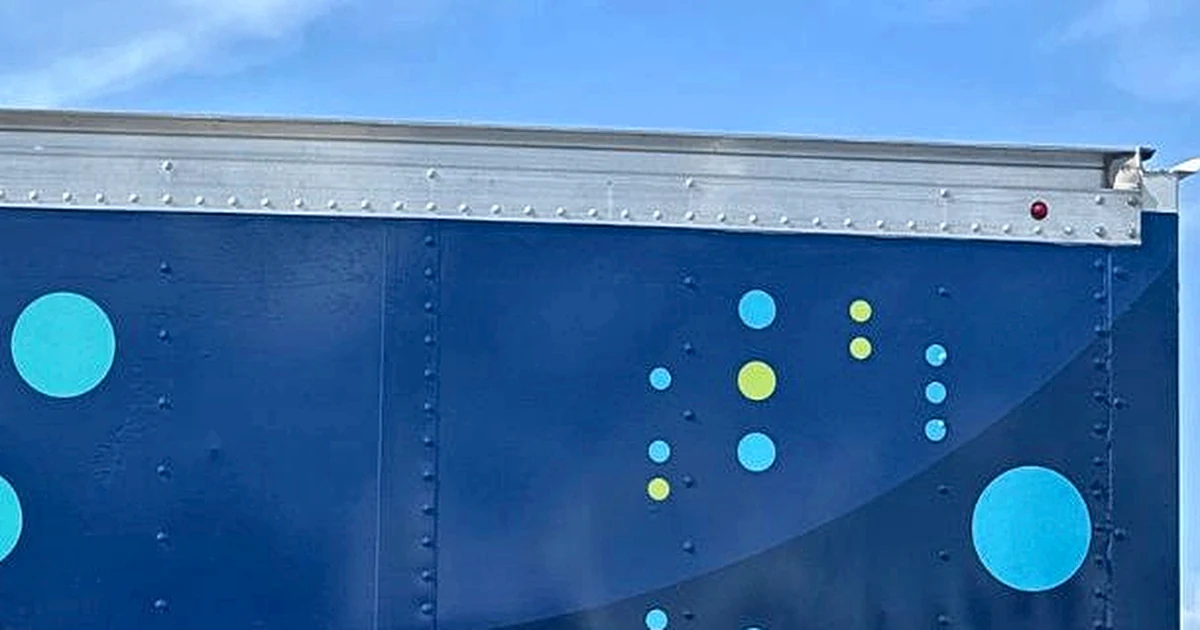
Can You Wrap Over Rivets?
Yes. Rivets do not need to be removed, and a good installer does not cut around each one. Conformable cast wrap film, worked down around every rivet head with heat and careful pressure, follows the rivet's shape and stays put. The result depends on the right film, a clean surface and patient installation.