Is a Trailer Wrap Better Than Repainting?
Quick answer For most commercial trailers, yes. A wrap gives you full color branding that paint can't match, it can be updated or removed later, and it covers the trailer's original finish instead of replacing it. Paint still makes sense when the surface itself is failing or you only want one solid color for the long haul.
Two Different Jobs
Wrapping and repainting both change how a trailer looks, so people tend to compare them as if they do the same thing. They don’t. Paint replaces the color of the trailer. A wrap adds a designed, printed layer on top of it. That difference shapes almost every part of the decision, from what the trailer can say to what happens when you sell it.
For a business, the real question is usually not “which looks better?” It’s “what do I need this trailer to do?” If the answer is to advertise your company everywhere it goes, a wrap is built for that. If the answer is to look like a clean, plain trailer for years to come, paint may be enough.
So where does each one come out ahead?
Branding: What Paint Can’t Do
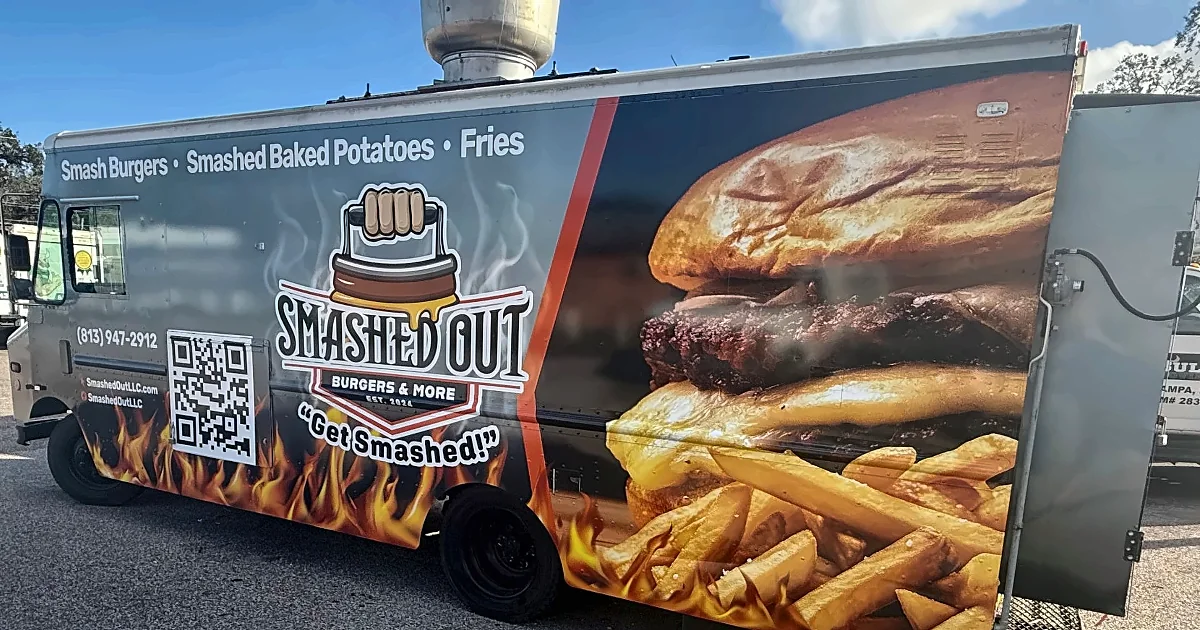
Paint is one color at a time. Adding a logo, a photo, a gradient or a phone number with paint means custom artwork by hand, and anything detailed gets expensive fast. A printed wrap can reproduce your logo, your exact brand colors, photography and fine text across the whole trailer in one installation.
That is why, for many commercial trailers, the answer leans toward a wrap. A professionally installed wrap provides complete branding, full color graphics and advertising that traditional paint simply cannot match. Most businesses that paint a trailer end up adding vinyl lettering on top of it anyway.
Changing Your Mind Later
Businesses change. You add a service, change a phone number, rebrand after a merger or pick up a new sponsor. With paint, every change means sanding, masking and repainting. With a wrap, you can update a panel, replace the whole design or remove it entirely, without permanently changing the trailer’s finish.
That flexibility also matters when it’s time to sell or trade the trailer. A trailer with its original finish under the wrap is often easier to resell than one painted in a very specific company color scheme. Removal has its own variables, such as the age of the wrap and the condition of the paint underneath, so we’ll talk through it honestly if you’re planning ahead.
Cost and Downtime Factors
We don’t publish a price list, because both options depend on the trailer. For a wrap, the main factors are the trailer’s size, how much coverage you want, design complexity and surface prep. For paint, it’s size, the amount of bodywork and sanding, the paint system and how many colors and graphics you want.
Downtime for Paint vs. a Wrap
Downtime is part of the cost, too. Painting involves sanding, masking, spraying and curing time. A wrap is designed and printed before your trailer ever arrives, so the trailer itself is only out of service for prep and installation. We’ll talk timing at your quote, since every project is a little different.
Where Paint Still Makes Sense
Wraps aren’t the answer for every trailer, and part of our job is saying so. Paint, or repair work first, is the better path in these situations.
When the Surface Is Failing
Peeling paint, active rust or damaged panels need to be fixed. Vinyl follows the surface under it and won’t hide structural problems.
Often the best answer is both: repair or touch up the problem areas, then wrap. Our article Can You Wrap a Used Enclosed Trailer? explains what we look for before recommending either path.
One Plain Color for the Trailer’s Life
If you never plan to advertise on it, a fresh coat of paint can be a simpler choice.
A Trailer Near the End of Its Life
It may not make sense to invest in graphics for a trailer you’re about to replace.
What About a Color Change?
Some owners don’t need advertising at all. They just want a trailer in a different color, or a color that matches their truck. A solid color change wrap can do that in gloss, satin or matte finishes without a trip to the paint booth, and it can be removed later. We cover the full comparison for cars and trucks in our Color Change & Protective Film hub.
Making the Call for Your Trailer
If your trailer is in good shape and you want it to work as advertising, a wrap is usually the stronger investment. If the surface needs work, fix that first. If you only want a plain trailer and never plan to change it, paint can do the job. Tell us how you use the trailer and we’ll give you a straight answer about which path fits.
Frequently Asked Questions
Wrap or Paint? Let's Look at Your Trailer
Send a few photos of your trailer and tell us what you want it to do. We'll tell you honestly whether a wrap, paint or a quick repair first makes the most sense.
How Long Does a Vehicle Wrap Last? Caring for Your Wrap
With proper care, a professionally installed wrap can last for many years, but there is no single number. Its life depends on the film and laminate, how much direct sun it gets, how it's washed, where it's stored and how hard the vehicle works. In Florida, shade and gentle washing make the biggest difference.
Full Wrap vs. Partial Wrap vs. Vinyl Lettering: Choosing the Right Fit
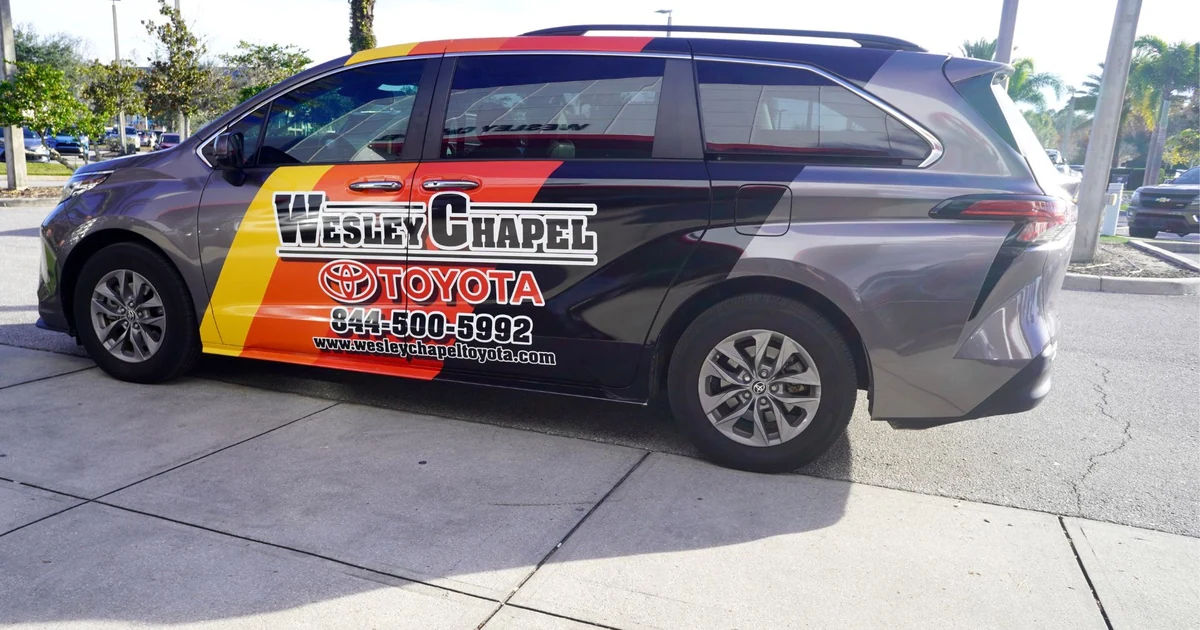
A full wrap covers nearly the whole vehicle in printed graphics for maximum impact. A partial wrap prints part of the vehicle and uses the paint as part of the design, at a lower cost. Vinyl lettering puts your logo, phone number and key details on the existing paint. The right choice depends on the vehicle, budget and goal.
Can You Wrap a Used Enclosed Trailer?
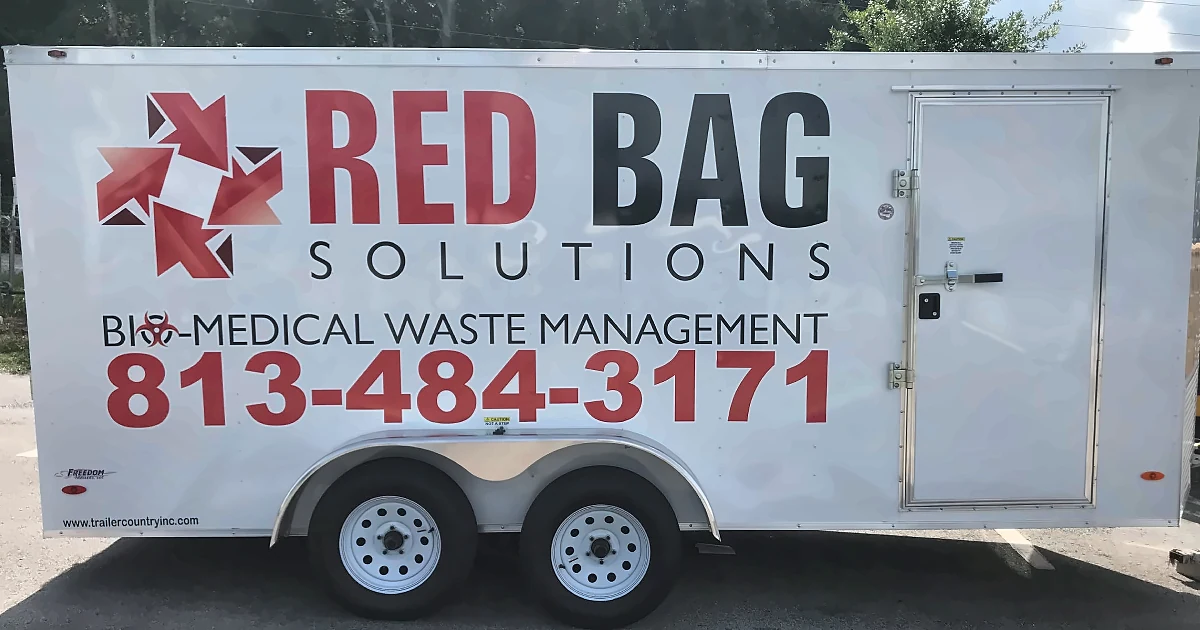
Yes, in most cases. The age of an enclosed trailer matters far less than the condition of its exterior. We inspect the paint, oxidation, old graphics, dents, rust, rivets and past repairs first. Most trailers only need thorough cleaning and prep, but peeling paint or real body damage should be repaired before the wrap goes on.