Commercial Fleet Wraps: What to Know Before Wrapping Multiple Vehicles
Quick answer Yes, your trucks, vans and trailers can all look like one brand, even when they're different makes, sizes and colors. The key is planning: one set of brand rules, a design template for each vehicle type, consistent colors and coverage levels, and a rollout schedule that keeps your crews working. Good records make adding vehicles later simple.
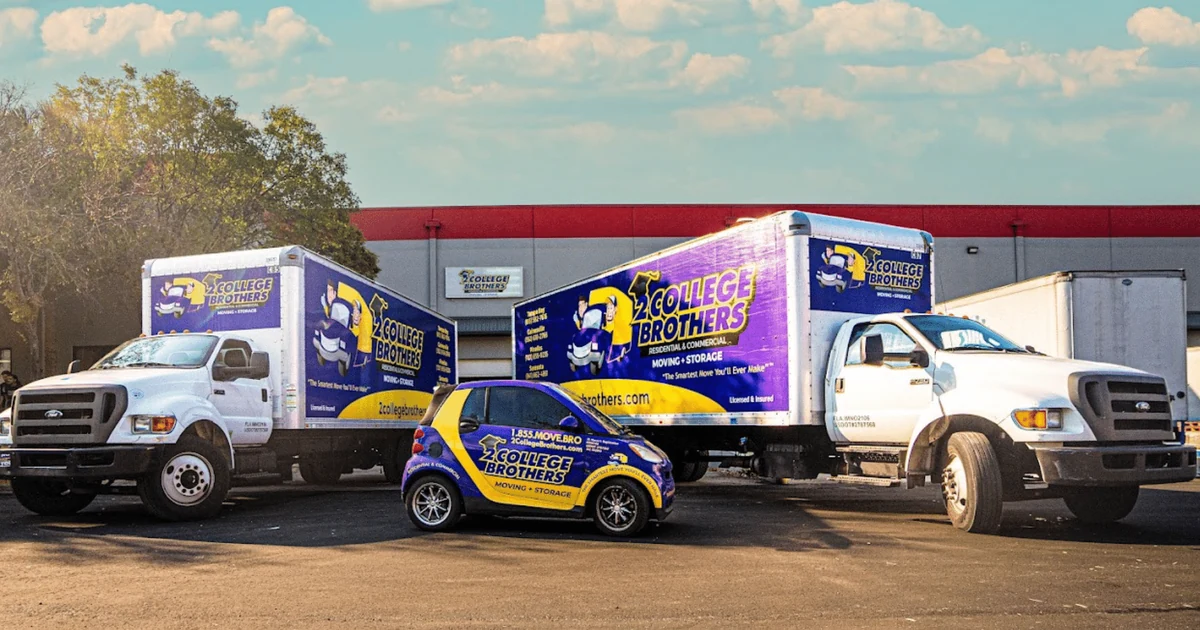
The Real Question: Can Every Vehicle Look the Same?
When a business owner calls about fleet wraps, the question is rarely “can you wrap a fleet?” It’s “can you make all of our trucks and vans look the same?” Maybe the fleet includes a couple of box trucks, a few cargo vans, a pickup and a trailer. Some are white, one is green, and one came used with somebody else’s lettering still on it. The owner wants customers to see any one of them and instantly know whose it is.
The answer is yes, and it’s one of the most valuable things a wrap can do. A unified fleet reinforces your brand and presents a more professional image wherever your team works. Every vehicle parked at a job site or stopped in traffic tells the same story, and over time people start to recognize your company before they read a word.
Getting there takes more planning than wrapping a single vehicle. Different vehicles have different shapes, door layouts and paint colors, and a fleet is rarely wrapped all in one week. This guide walks through what makes a fleet look consistent and what to sort out before the first vehicle comes in.
Where does that consistency actually come from?
Brand Standards Come First
Before any vehicle is designed, the fleet needs a simple set of rules. Think of it as a short style guide for your vehicles. It answers questions like these:
- What appears on every vehicle, and in what order? (Usually logo, what you do, phone number and website.)
- Which exact colors represent the brand?
- Where does the logo go on each side, the rear and the front?
- What changes from vehicle to vehicle, such as unit numbers, division names or DOT numbers if required?
- What is never allowed, like old phone numbers or retired slogans?
These rules don’t need to be complicated. What matters is that they exist before the first design, so every vehicle after that is a variation on a known plan rather than a new design from scratch. If your company already has brand guidelines, our design team will work from them. If not, we can help create the vehicle rules as part of the project. Our article on The Vehicle Wrap Design Process explains how a design moves from concept to approved proof.
A Template for Every Vehicle Type
A design built for a box truck can’t simply be stretched onto a cargo van or shrunk onto a pickup. Each vehicle type has its own proportions, windows, door handles, body lines and rivets. So instead of one file that “sort of fits,” a fleet gets a template for each vehicle type, all following the same brand rules.
In practice, that means the logo keeps the same relationship to the side of each vehicle, the phone number stays large enough to read, and the color bands or graphics line up in a way that feels related from one vehicle to the next. When your fleet is parked together, it looks planned.
You can see this approach in the Bull Moving project in our portfolio. Two box trucks, one with a green cab and one with a white cab, carry the same box graphics: the Bull Moving logo, the bull mascot, a green phone number banner and a dark tagline band. A white cargo van from the same project takes a lighter approach, with the logo, phone number and a “Professional & Affordable” line on the side and a bold black graphic sweeping over the rear. The vehicles are different, and the coverage is different, but the brand reads the same on all of them.
Matching Color Across Different Vehicles
Color is where fleets most often fall apart. Your vehicles probably aren’t all the same paint color, and on any partial wrap or lettering job, that paint is part of the design. A green logo on a white van and the same green logo on a silver truck can look like two different greens.
Here’s how a well planned fleet handles color:
- Define brand colors precisely at the start, and print every vehicle from the same files and materials.
- Plan for the base paint. If your fleet has mixed paint colors, a design with more printed coverage, or a consistent background band, can make the vehicles look more alike.
- Expect some difference with age. A brand new wrap parked beside one that has spent several years in the Florida sun will look brighter. Refreshing the oldest vehicles keeps the fleet even.
The Bull Moving trucks are a good example of planning around different cab colors. The box graphics carry the brand, so a green cab or a white cab doesn’t change who the truck belongs to.
Choosing Coverage Across a Fleet
Not every vehicle in a fleet needs the same coverage. Many businesses use full wraps on their most visible vehicles and lighter treatments on the rest, while keeping the design rules the same.
Box Trucks and Trailers
Box trucks and trailers have large, flat sides that work like billboards, so full printed graphics often make sense.
The Eagle Moving trucks show what full coverage on a box truck looks like: the mascot, a Florida graphic, a green phone number banner and a “Clean Cut, Reliable Movers” tagline fill the sides, with the brand carried onto the rear door and the front of the box. A second matching truck is visible in the background of the project photos. For a side by side look at coverage options, read Full Wrap vs. Partial Wrap vs. Vinyl Lettering.
Cargo Vans and Service Vans
Cargo vans and service vans often get a full or partial wrap, depending on budget and how often they’re parked in front of customers.
Pickups and Cars
Pickups and cars may get a partial wrap or clean lettering that still carries the logo and colors.
Your Brand Beyond Trucks and Vans
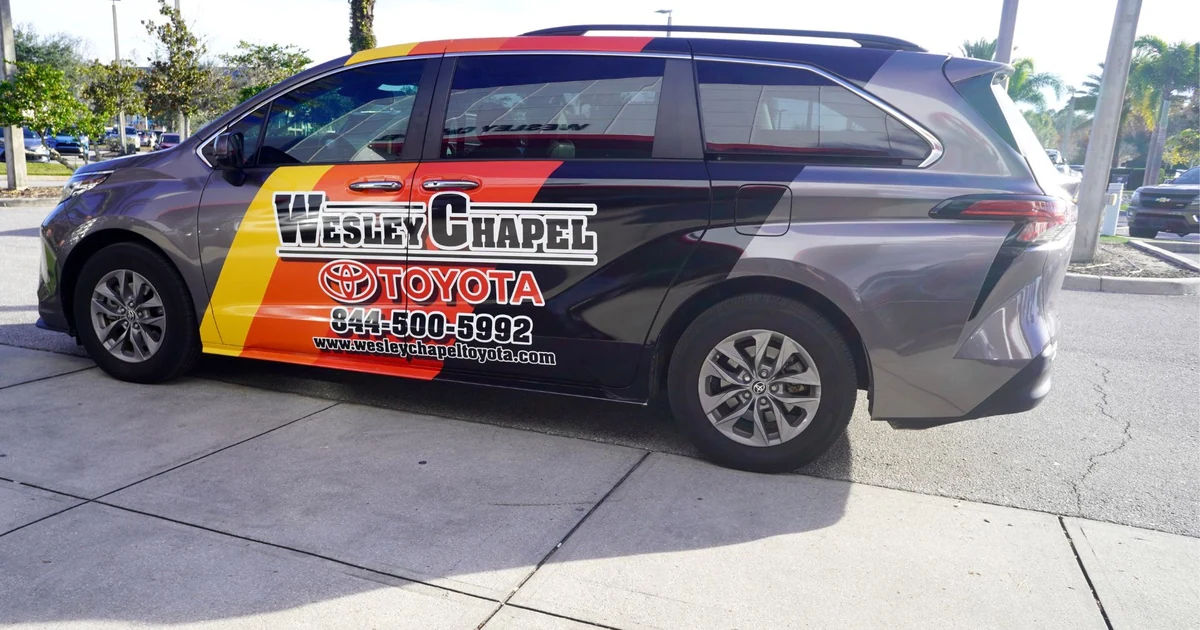
A fleet is often bigger than the trucks in the lot. Trailers, buses, company cars and even in store displays can carry the same look. The Water Filter Warehouse project puts the same water graphic, logo and colors on a company car’s doors and on a retail kiosk. The Wesley Chapel Toyota dealer van uses bold black, orange and yellow bands with the dealer name and contact details, and our bus wrap shows how large vehicles can carry a full printed design end to end.
When your vehicles, signs and displays all match, customers connect the dots faster. If storefront or window graphics are part of your plan, see our Signage page. For trailers specifically, read Fleet Trailer Wraps: Keeping Multiple Trailers Consistent.
Phased Rollouts and Downtime
Few businesses can take every vehicle off the road at once. That’s why most fleets are wrapped in phases. A common approach is to start with the vehicles customers see most, then work through the rest in groups that fit your schedule.
Because the brand rules and templates are approved up front, each phase moves faster. Your team knows what to expect, and every new vehicle matches the last. Tell us how many vehicles you can spare at a time and when your slow periods are, and we’ll talk timing at your quote. For multiple fleet vehicles, ask us whether on site installation is an option for your project.
Used Vehicles, Leases and Equipment
Fleets often include vehicles with a history. A used truck may have old lettering, faded paint or body damage. Old graphics are usually removed before the new wrap goes on so their outlines don’t show through, and failing paint or rust should be repaired first, because vinyl follows the surface under it. Our article Can You Wrap a Used Enclosed Trailer? covers the inspection, and the same thinking applies to trucks and vans.
Part of our job is being honest. If a vehicle’s condition will prevent a quality installation, or it’s about to be retired, we’ll tell you, and we may suggest a different approach for that unit.
Other Details Worth Raising Early
A few other details are worth raising early.
Rules for Leased Vehicles
Check your lease terms for rules about graphics and returning the vehicle.
Cameras and Sensors
Many newer vehicles have cameras and sensors in bumpers, mirrors and windshields. These are kept clear in the design.
DOT Numbers and Required Markings
If your vehicles need DOT numbers or other identifiers, we’ll build them into the template so they’re consistent.
Keeping the Fleet Consistent for Years
The work doesn’t end when the last vehicle is wrapped. Fleets change. You’ll add vehicles, retire old ones, update a phone number or open a new location. A few habits keep everything consistent:
- Keep a simple list of each vehicle, its template and when it was wrapped.
- Keep the approved design files on record so new vehicles can be printed to match.
- Repair damaged panels promptly, since a single replaced panel is much cheaper than a full rewrap.
- Watch the oldest wraps for fading so one tired vehicle doesn’t drag down the rest.
Many of our commercial customers begin with a single vehicle or trailer and later return to wrap their trucks, vans and the rest of their fleet. Planning the brand rules early makes that growth easy.
What Affects the Cost of a Fleet Wrap
We don’t publish fleet price lists, because every fleet is different. The main factors are the number and types of vehicles, how much coverage each gets, the design work involved, the condition of each vehicle’s surface, any old graphics that need to come off and how the rollout is scheduled. Send us a list of your vehicles with photos and we’ll quote the whole plan, not just one truck.
Questions to Ask Before You Start
Whether you work with us or another shop, these questions will help you plan a fleet wrap that lasts:
- Will each vehicle type get its own template?
- How will colors stay consistent across vehicles and future print runs?
- What material and laminate will be used, and how will it handle Florida sun?
- How will the rollout be scheduled around our work?
- How are design files stored for future vehicles and repairs?
- What’s covered if a panel lifts or gets damaged?
Good answers to those questions are what separate a group of wrapped vehicles from a fleet that truly looks like one company. Whether you run two vehicles or fifty, the goal is the same: every truck, van and trailer telling customers exactly who you are.
Frequently Asked Questions
Planning a Fleet Wrap?
Send us a list of your vehicles, a few photos and your logo. We'll help you plan a look that works across every truck, van and trailer, and a rollout that fits your schedule.